How We Ensure Export Quality at Shaktiraj Agri Export
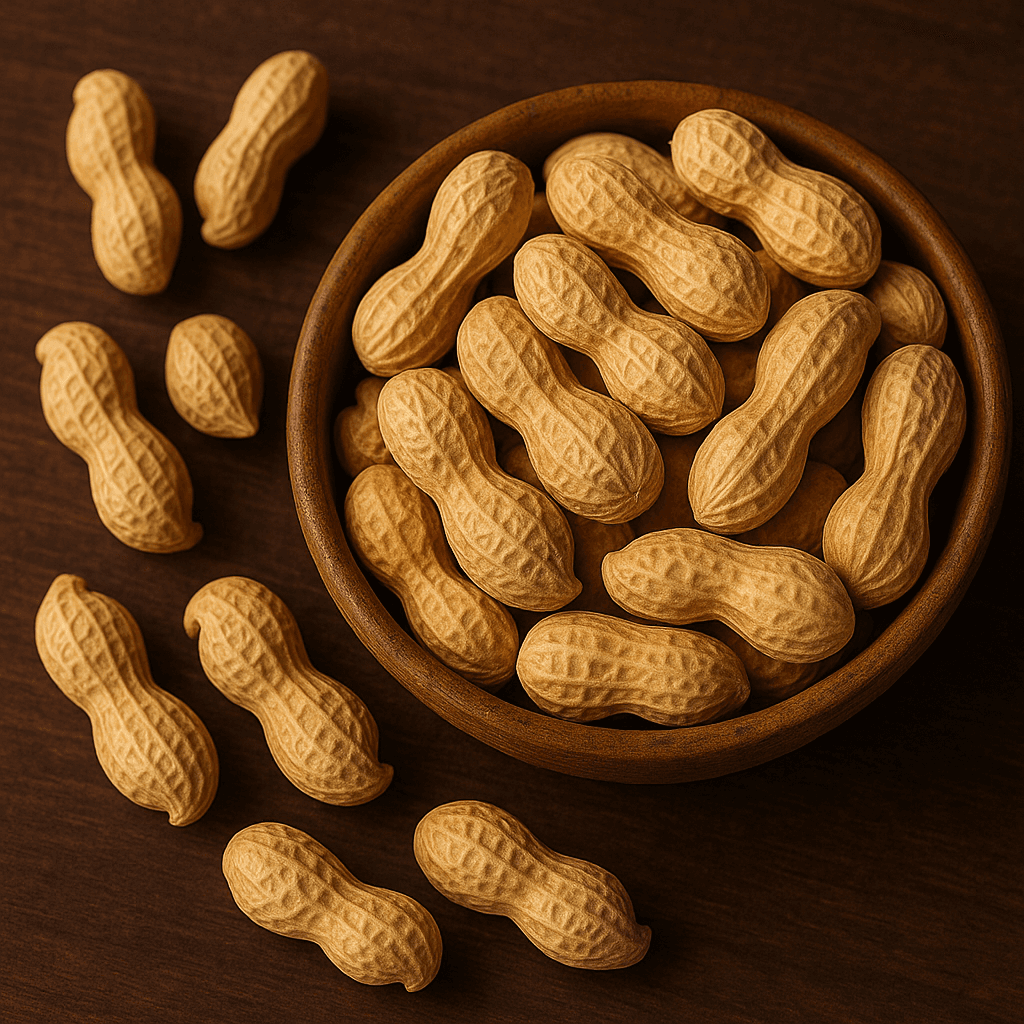
Take a behind-the-scenes look at our rigorous quality control process, from farm selection to final shipment, ensuring consistent quality every time.
At Shaktiraj Agri Export, quality is not just a promise—it's a systematic process embedded in every stage of our operations. Here's how we ensure that every container we export meets the highest international standards.
Step 1: Certified Farm Selection
Quality begins at the source. We work exclusively with certified farms that follow Good Agricultural Practices (GAP):
- Regular farm audits and inspections
- Soil testing and crop rotation monitoring
- Controlled pesticide and fertilizer use
- Proper harvest timing for optimal maturity
- Traceability from field to processing unit
Step 2: Post-Harvest Handling
Proper handling immediately after harvest is crucial:
- Immediate Drying: Reduces moisture to safe levels within 24-48 hours
- Protected Storage: Clean, dry storage facilities to prevent contamination
- Temperature Control: Maintained below 25°C to prevent aflatoxin development
- Fumigation: When necessary, using approved methods and documentation
Step 3: Raw Material Inspection
Before processing, every batch undergoes comprehensive inspection:
- Visual inspection for defects and contamination
- Moisture content testing
- Preliminary aflatoxin screening
- Count/size verification
- Only approved lots proceed to processing
Step 4: Advanced Processing
Our state-of-the-art processing facility includes:
Cleaning Stage:
- Pre-cleaning to remove foreign matter
- Destoning equipment
- Aspiration to remove light impurities
- Multiple cleaning passes
Sorting Stage:
- Color sorting machines to remove discolored kernels
- Electronic sorting for damaged and immature kernels
- Size grading using calibrated screens
- Hand-picking final inspection
Shelling/Blanching (when required):
- Mechanical shelling with minimal kernel damage
- Blanching using food-grade equipment
- Split removal and grading
Step 5: Laboratory Testing
Our NABL-accredited laboratory conducts comprehensive testing:
Microbiological Testing:
- Total Plate Count (TPC)
- Yeast and Mold count
- E. coli and Salmonella testing
- Aflatoxin analysis (HPLC method)
Physical/Chemical Testing:
- Moisture content (moisture meter + oven method)
- Oil content analysis
- Peroxide value and free fatty acids
- Foreign matter percentage
- Count per ounce verification
Pesticide Residue Testing:
- Multi-residue analysis for 200+ pesticides
- Compliance with EU, US, and destination country MRLs
Step 6: Packaging and Storage
Proper packaging preserves quality during transit:
- Vacuum Packaging: For premium products, extends shelf life
- PP Bags: Food-grade polypropylene bags with liners
- Jute Bags: For in-shell groundnuts, breathable yet protective
- Proper Labeling: Batch codes, production dates, and specification details
Our temperature-controlled warehouse maintains optimal conditions (15-20°C, 60-65% RH) until shipment.
Step 7: Pre-Shipment Verification
Before container loading:
- Final visual inspection of packaged goods
- Weight verification
- Packaging integrity check
- Documentation review
- Third-party inspection (if requested by buyer)
Step 8: Container Loading and Sealing
Careful loading prevents damage during transit:
- Container inspection (clean, dry, no damage or odor)
- Proper stacking to prevent crushing
- Dunnage bags for load stabilization
- Container photos before sealing
- Secure sealing with tamper-evident seals
Documentation and Traceability
Complete documentation accompanies every shipment:
- Certificate of Analysis from accredited laboratory
- Phytosanitary Certificate
- Certificate of Origin
- Packing List with batch codes
- Quality Certificate
- Fumigation Certificate (when applicable)
- Bill of Lading
- Commercial Invoice
Continuous Improvement
Our commitment to quality extends beyond individual shipments:
- Regular staff training on quality standards
- Equipment calibration and maintenance schedules
- Customer feedback integration
- Industry best practices adoption
- Certification maintenance (ISO 22000, HACCP, FSSAI)
Customer Satisfaction Guarantee
We stand behind our quality with:
- Pre-shipment samples available for buyer approval
- Third-party inspection accommodation
- Complaint resolution process
- Quality claim handling with evidence
- Long-term relationships built on trust and consistency
Conclusion
Our comprehensive quality assurance process is the result of years of experience in agricultural exports. By controlling quality at every step—from farm selection to container loading—we ensure that our customers receive products that meet specifications consistently.
This systematic approach has earned us the trust of importers across 25+ countries and continues to be the foundation of our business relationships.
Found this helpful?
Share it with others who might benefit
Interested in Our Products?
Contact us to discuss your requirements and get a competitive quote for premium agricultural products from India. We're here to help you find the perfect products for your needs.
Continue Reading
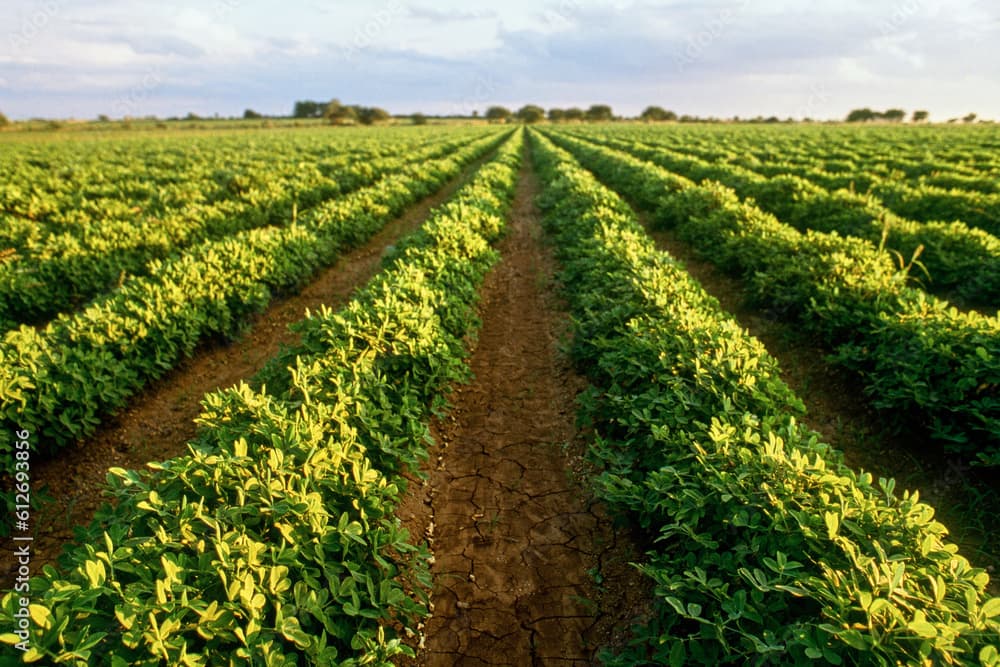
Why Indian Peanuts Are in High Demand Globally
Discover the factors that make Indian peanuts a preferred choice for importers worldwide, from quality to competitive pricing and diverse varieties available.
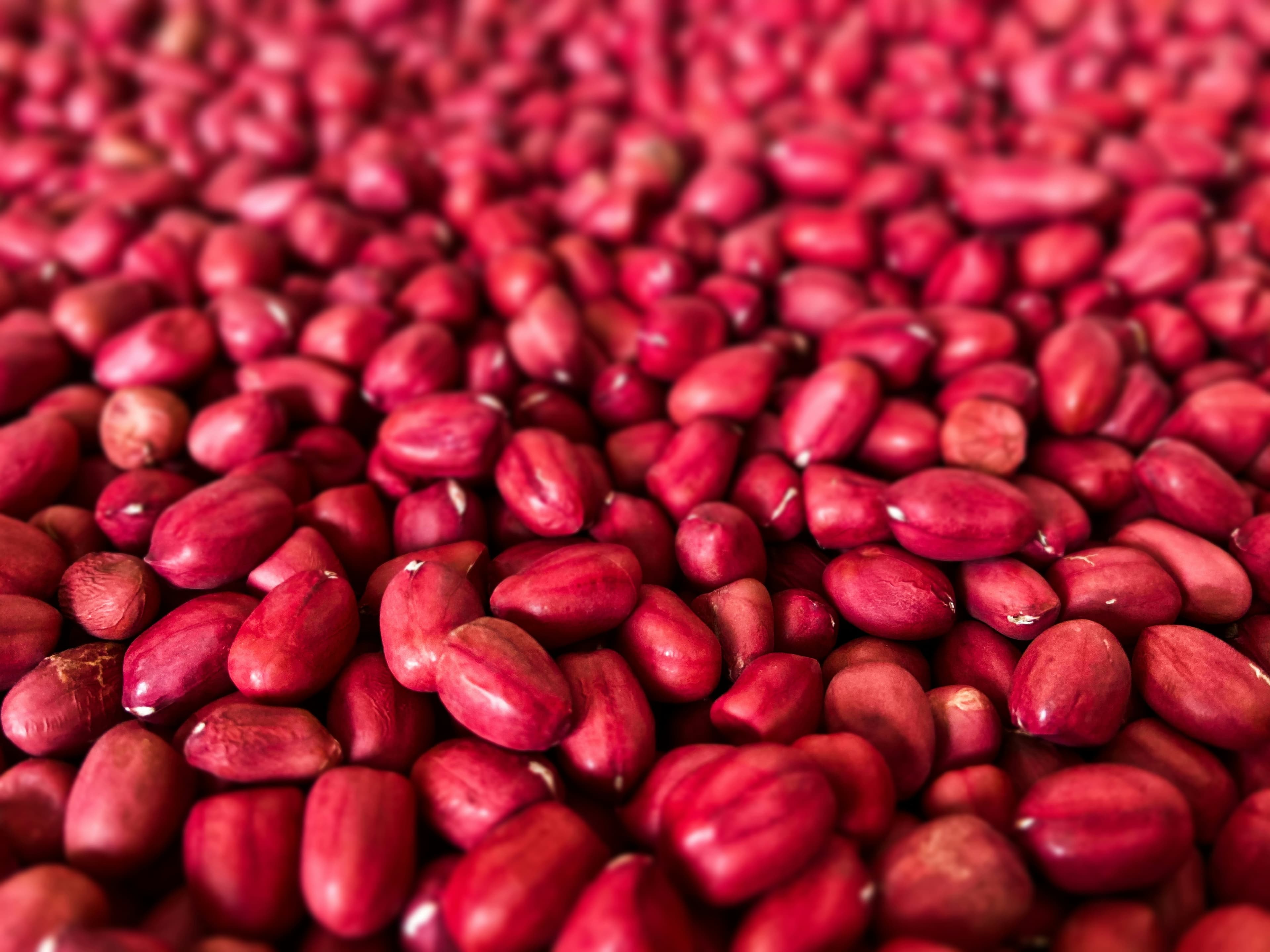
Quality Parameters to Check When Importing Peanuts
A comprehensive guide to understanding the critical quality parameters including moisture content, aflatoxin levels, and grading standards for peanut imports.