Quality Parameters to Check When Importing Peanuts
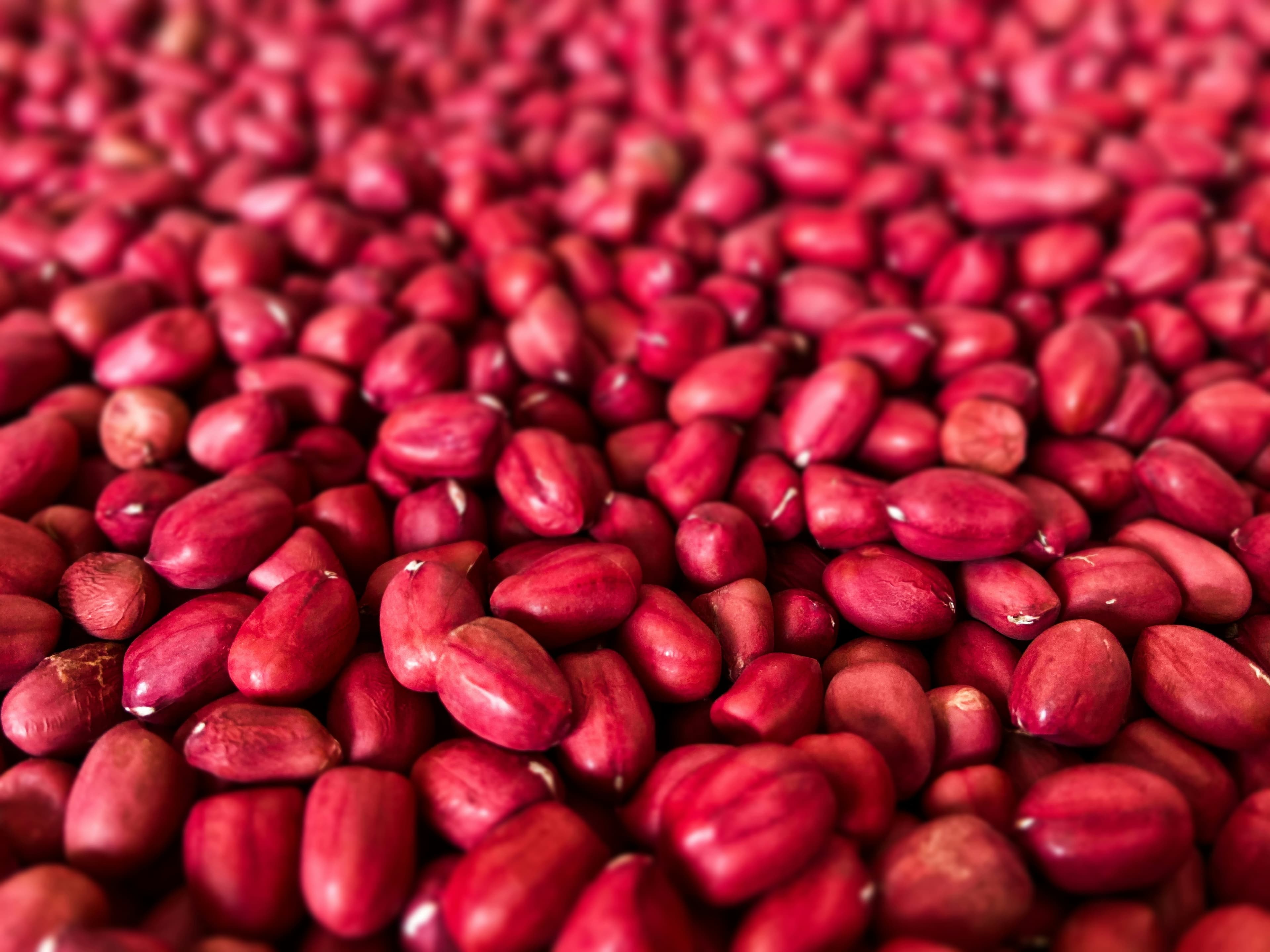
A comprehensive guide to understanding the critical quality parameters including moisture content, aflatoxin levels, and grading standards for peanut imports.
Importing peanuts requires careful attention to quality parameters. Understanding these standards ensures you receive products that meet your specifications and comply with your country's regulations.
1. Aflatoxin Levels: The Critical Safety Parameter
What is Aflatoxin? Aflatoxin is a naturally occurring mycotoxin produced by certain fungi. It's the most important safety parameter in peanut trade.
International Standards:
- European Union: Maximum 4 PPB (parts per billion) for direct consumption
- United States: 20 PPB for food products
- India (Export): Typically maintains below 2-4 PPB
- Middle East: 5-15 PPB depending on country
Testing Methods:
Reliable suppliers use HPLC (High-Performance Liquid Chromatography) or ELISA (Enzyme-Linked Immunosorbent Assay) testing methods. Always request lab certificates from accredited laboratories.
2. Moisture Content
Moisture content directly affects shelf life, quality retention, and shipping weight.
Optimal Moisture Levels:
- In-Shell Peanuts: 7-8% maximum
- Raw Kernels: 6-7% maximum
- Blanched Peanuts: 5-6% maximum
- Roasted Products: 1-2%
Why It Matters: High moisture promotes fungal growth, reduces shelf life, and adds to shipping costs. Low moisture can cause kernel brittleness.
3. Count/Size Grading
Peanut kernels are graded by count per ounce (28.35 grams):
Common Grades:
- 38/42: Extra-large kernels, 38-42 kernels per ounce
- 40/50: Large kernels, premium grade
- 50/60: Medium-large, most popular
- 60/70: Medium size
- 70/80: Small kernels, often for oil
Tolerance: Standard tolerance is 5% above or below stated count. Specify your requirements clearly in the contract.
4. Foreign Matter
Foreign matter includes soil, stones, plant material, and other contaminants.
Acceptable Limits:
- Premium Quality: Maximum 0.25%
- Standard Quality: Maximum 0.5%
- Industrial Grade: Maximum 1%
5. Defects and Damage
Various defects can affect peanut quality:
Types of Defects:
- Split Kernels: Should be below 5% for premium grade
- Broken Kernels: Maximum 3-5%
- Shriveled Kernels: Less than 2%
- Discolored: Maximum 1-2%
- Insect Damage: Should be nil or minimal (under 0.5%)
6. Oil Content
Oil content indicates kernel quality and affects processing:
- Bold Peanuts: 48-50% oil content
- Java Peanuts: 46-48% oil content
Higher oil content generally indicates better quality and flavor.
7. Rancidity Testing
Rancidity affects taste and shelf life. Key tests include:
- Peroxide Value: Should be below 10 meq/kg
- Free Fatty Acid: Below 1% for good quality
- Sensory Evaluation: Taste and smell testing
8. Pesticide Residues
Most countries have strict limits on pesticide residues. Request multi-residue analysis certificates showing compliance with:
- EU MRL (Maximum Residue Limits)
- USDA standards
- Codex Alimentarius guidelines
Inspection and Sampling
Best Practices:
- Draw samples from multiple points in each container/lot
- Use internationally recognized sampling methods (ISO 542)
- Consider third-party inspection (SGS, Bureau Veritas, Intertek)
- Inspect before shipment and upon arrival
Documentation to Request
Always request these documents from your supplier:
- Certificate of Analysis (CoA) from accredited lab
- Phytosanitary Certificate
- Certificate of Origin
- Quality/Health Certificate
- Fumigation Certificate (if applicable)
- Allergen Declaration
- GMO Declaration
Conclusion
Understanding and specifying these quality parameters protects your investment and ensures you receive peanuts that meet your requirements. Work with reputable exporters who provide complete documentation and maintain consistent quality standards.
Remember: Quality starts at the farm and continues through processing, storage, and shipping. Choose suppliers with proven track records and comprehensive quality control systems.
Found this helpful?
Share it with others who might benefit
Interested in Our Products?
Contact us to discuss your requirements and get a competitive quote for premium agricultural products from India. We're here to help you find the perfect products for your needs.
Continue Reading
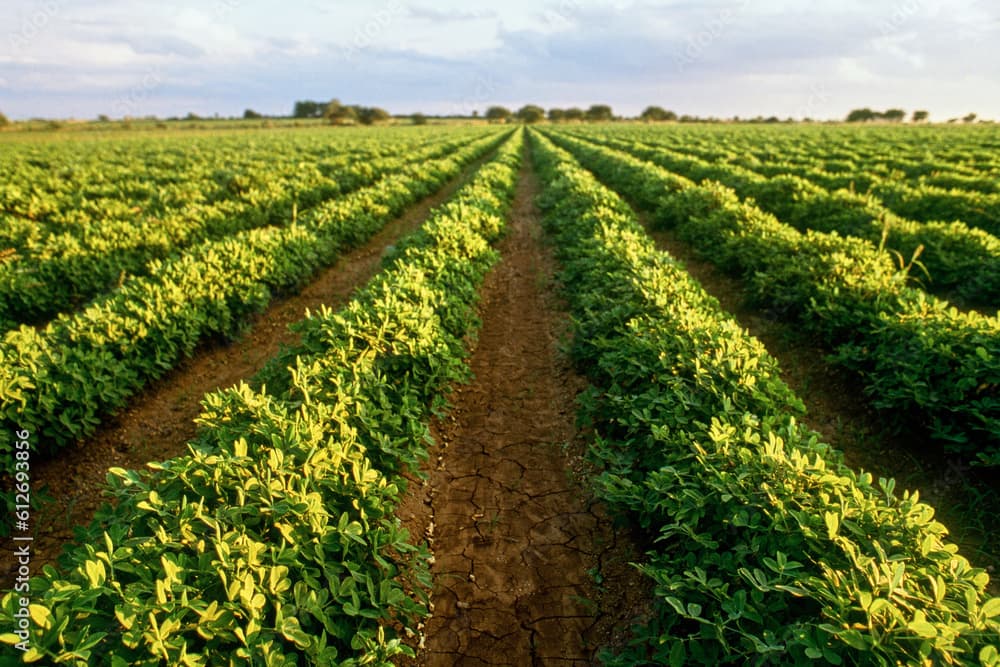
Why Indian Peanuts Are in High Demand Globally
Discover the factors that make Indian peanuts a preferred choice for importers worldwide, from quality to competitive pricing and diverse varieties available.
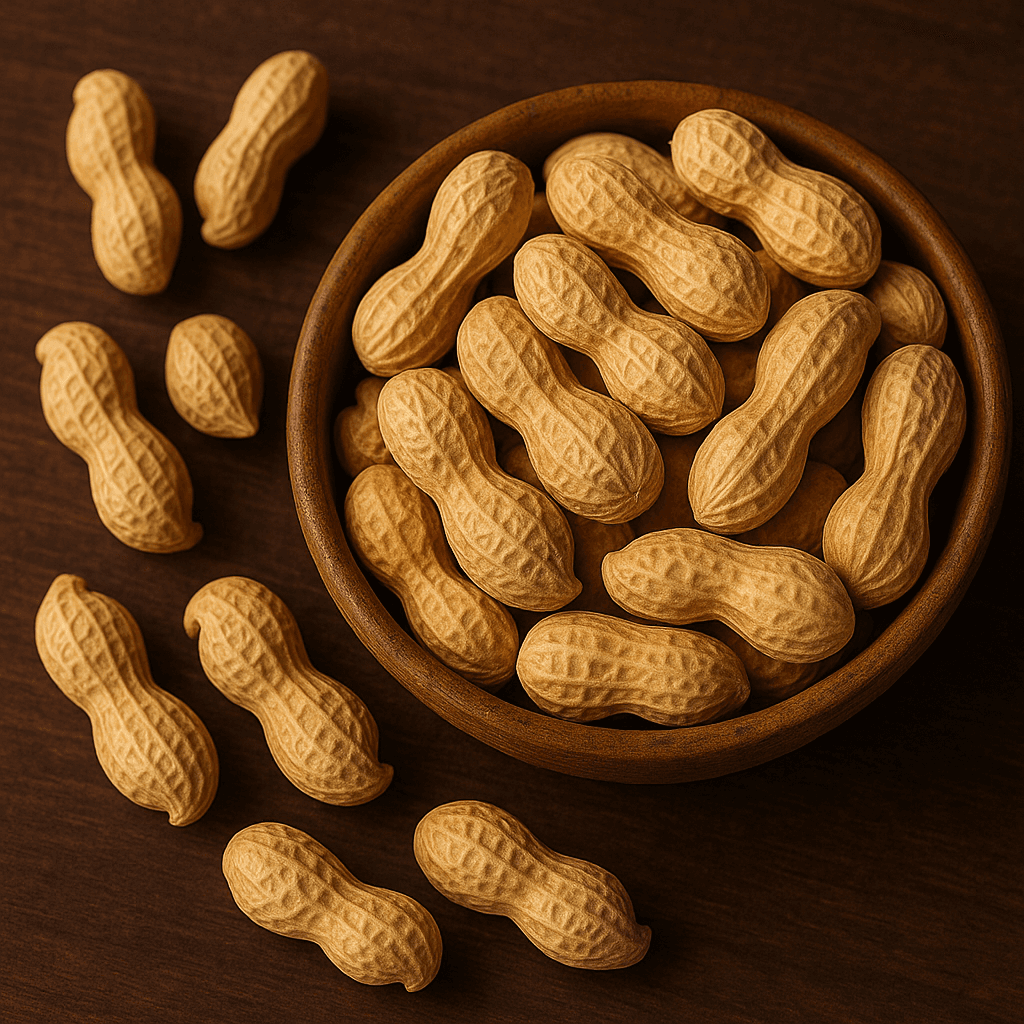
How We Ensure Export Quality at Shaktiraj Agri Export
Take a behind-the-scenes look at our rigorous quality control process, from farm selection to final shipment, ensuring consistent quality every time.