The Indian Spices Export Market: Trends and Opportunities
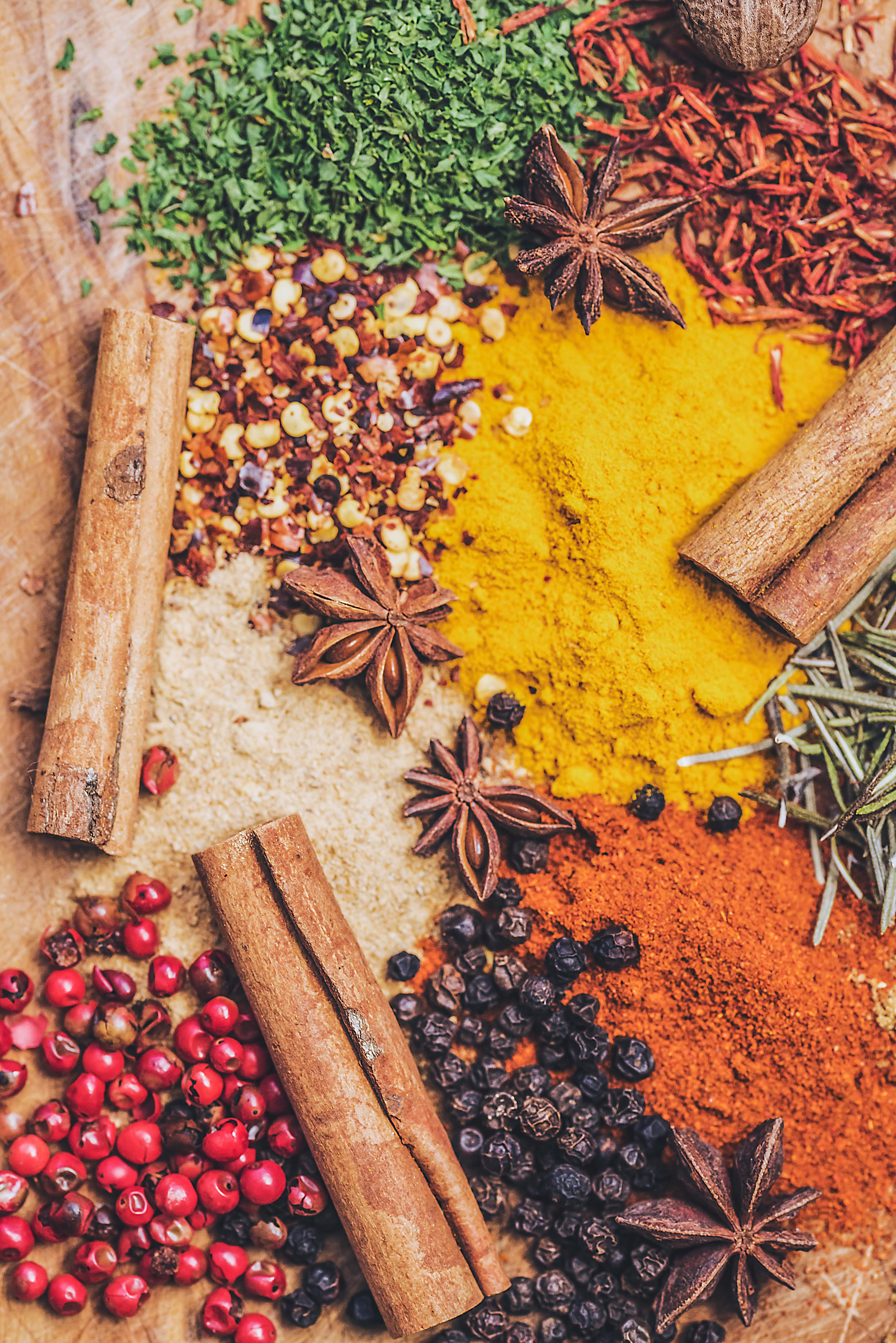
An overview of India's spice export industry, key markets, quality standards, and opportunities for international buyers looking to source premium spices.
India, known as the "Spice Bowl of the World," dominates the global spice trade with its rich variety, superior quality, and centuries-old expertise. Understanding this market opens doors to premium ingredients and profitable opportunities for international buyers.
Market Overview
India's spice industry is a powerhouse in global trade:
- Export Value: $3.8+ billion USD annually (2023)
- Export Volume: 1.4+ million metric tons
- Global Share: 40-45% of world spice trade
- Growth Rate: 8-10% CAGR over past 5 years
- Product Range: 75+ varieties of spices
Top Indian Spice Exports
1. Cumin Seeds (Jeera)
Export Value: $650+ million
- India controls 70% of global cumin trade
- Main varieties: Singapore quality, European quality
- Key destinations: China, USA, UAE, Bangladesh
- Purity: 99% standard, 99.5% premium
- Uses: Curry powders, spice blends, food processing
2. Turmeric (Haldi)
Export Value: $240+ million
- India produces 80% of world's turmeric
- Varieties: Madras, Alleppey, Rajapore
- Curcumin content: 2-5% (Alleppey has highest)
- Growing demand from health food sector
- Applications: Cooking, supplements, cosmetics, dyeing
3. Coriander Seeds (Dhania)
Export Value: $200+ million
- Eagle quality, Scooter quality grades
- Split and whole varieties
- Essential in spice blends
- Main markets: USA, UK, Sri Lanka, Malaysia
4. Chili/Pepper
Export Value: $550+ million
- Over 50 varieties grown
- Whole, powder, crushed forms
- Scoville units: 30,000-100,000+ for different types
- Major export destinations: Asia, Middle East, USA
5. Cardamom
Export Value: $280+ million
- Small cardamom (Kerala) - premium quality
- Large cardamom (Northeast India)
- One of the most expensive spices
- Key markets: Saudi Arabia, Kuwait, UAE
6. Fennel Seeds (Saunf)
Export Value: $130+ million
- Green and brown varieties
- Sweet aroma, digestive properties
- Main importers: Egypt, UAE, USA
7. Fenugreek Seeds (Methi)
Export Value: $90+ million
- Bitter-sweet flavor profile
- Growing demand from supplement industry
- Machine cleaned, sortex quality available
Key Export Destinations
Asia-Pacific (40% of exports):
- China: Largest importer, especially cumin and chili
- Bangladesh: All varieties, especially chili and turmeric
- Vietnam: Growing market for premium spices
- Japan: Quality-focused, small volumes, premium pricing
Middle East (25% of exports):
- UAE: Re-export hub, all varieties
- Saudi Arabia: Cardamom, chili, coriander
- Egypt: Fennel, coriander, cumin
North America (15% of exports):
- USA: Organic spices, ethnic foods, supplements
- Canada: Growing South Asian population
Europe (12% of exports):
- UK: Traditional market, high standards
- Germany: Food processing, retail
- Netherlands: Re-distribution center
Quality Standards & Certifications
Mandatory Standards:
- Spices Board India: Registration and quality norms
- FSSAI: Food safety compliance
- Phytosanitary Certificate: For export clearance
- APEDA Registration: For organized exports
Value-Added Certifications:
- ISO 22000: Food Safety Management
- HACCP: Hazard Analysis and Critical Control Points
- Organic Certifications: USDA, EU Organic, India Organic
- Kosher & Halal: For specific markets
- Fair Trade: Premium positioning
Testing Parameters:
- Moisture content (varies by spice)
- Volatile oil content (determines quality)
- Aflatoxin and mycotoxin levels
- Pesticide residues (multi-residue analysis)
- Microbial contamination
- Foreign matter and extraneous matter
- Ash content (total and acid-insoluble)
Market Trends Driving Growth
1. Health & Wellness Movement
- Turmeric as anti-inflammatory supplement
- Fenugreek for diabetes management
- Cardamom for digestion
- Natural immunity boosters
2. Organic Spices Boom
- 30-40% annual growth in organic segment
- Premium pricing (50-100% above conventional)
- Europe and North America leading demand
- India ramping up organic cultivation
3. Value-Added Products
- Spice oils and oleoresins
- Ready-to-use spice blends
- Encapsulated spices for supplements
- Spray-dried spice powders
4. Clean Label Trend
- Demand for pure, unadulterated spices
- Transparent sourcing
- Traceable supply chains
- No artificial additives or irradiation
5. Ethnic Cuisine Globalization
- Indian restaurants worldwide
- Home cooking of ethnic foods
- Ready-to-eat Indian meals
- Fusion cuisine innovations
Opportunities for Importers
1. Direct Sourcing from India
Advantages:
- 30-40% cost savings vs intermediaries
- Quality control at source
- Customized processing and packaging
- Consistent supply relationships
2. Organic Certification Gap
- Supply struggling to meet demand
- Premium margins available
- Long-term contracts possible
- Growing Indian organic acreage
3. Value-Added Processing
- Import whole, process in destination country
- Or source processed products from India
- Blend creation for retail brands
- Private labeling opportunities
4. Supplement & Nutraceutical Market
- Growing demand for spice extracts
- Curcumin, capsaicin, piperine
- India developing extraction capabilities
- Standardized extract formulations
Sourcing Best Practices
1. Choose Certified Exporters:
- Spices Board India registered
- APEDA member exporters
- ISO/HACCP certified facilities
- Track record with references
2. Specify Quality Clearly:
- Purity percentage
- Moisture limits
- Volatile oil content (if applicable)
- Color and appearance standards
- Aflatoxin and pesticide limits
3. Start with Samples:
- Request representative samples
- Test in your application
- Conduct lab analysis
- Verify consistency across batches
4. Build Relationships:
- Visit processing facilities if possible
- Understand sourcing regions
- Communicate forecast regularly
- Consider long-term contracts
Challenges & Solutions
Challenge: Price Volatility
Solution: Forward contracts, crop insurance, diversify suppliers
Challenge: Quality Variations
Solution: Third-party inspection, clear specifications, certified suppliers
Challenge: Adulteration Concerns
Solution: Lab testing, reputable exporters, DNA authentication for high-value spices
Challenge: Seasonal Availability
Solution: Storage contracts, diversify sources, understand crop calendars
Future Outlook
The Indian spices export market is projected to reach $5 billion by 2027:
- Continued growth in health-focused applications
- Expansion of organic production
- Investment in processing and value addition
- Technology adoption for quality and traceability
- New market penetration in Africa and Latin America
Conclusion
India's spice export market offers tremendous opportunities for international buyers. The combination of variety, quality, competitive pricing, and growing value-addition makes Indian spices an excellent sourcing choice.
Success in this market requires:
- Understanding quality parameters and certifications
- Building relationships with reliable exporters
- Staying informed about market trends
- Ensuring consistent quality through testing and verification
Whether you're a food processor, spice blender, retailer, or supplement manufacturer, Indian spices provide the quality and value to enhance your product offerings and satisfy the growing global appetite for authentic, high-quality spices.
Found this helpful?
Share it with others who might benefit
Interested in Our Products?
Contact us to discuss your requirements and get a competitive quote for premium agricultural products from India. We're here to help you find the perfect products for your needs.
Continue Reading
Why Indian Peanuts Are in High Demand Globally
Discover the factors that make Indian peanuts a preferred choice for importers worldwide, from quality to competitive pricing and diverse varieties available.
Quality Parameters to Check When Importing Peanuts
A comprehensive guide to understanding the critical quality parameters including moisture content, aflatoxin levels, and grading standards for peanut imports.