The Rising Demand for Sesame Seeds: Health Benefits & Uses
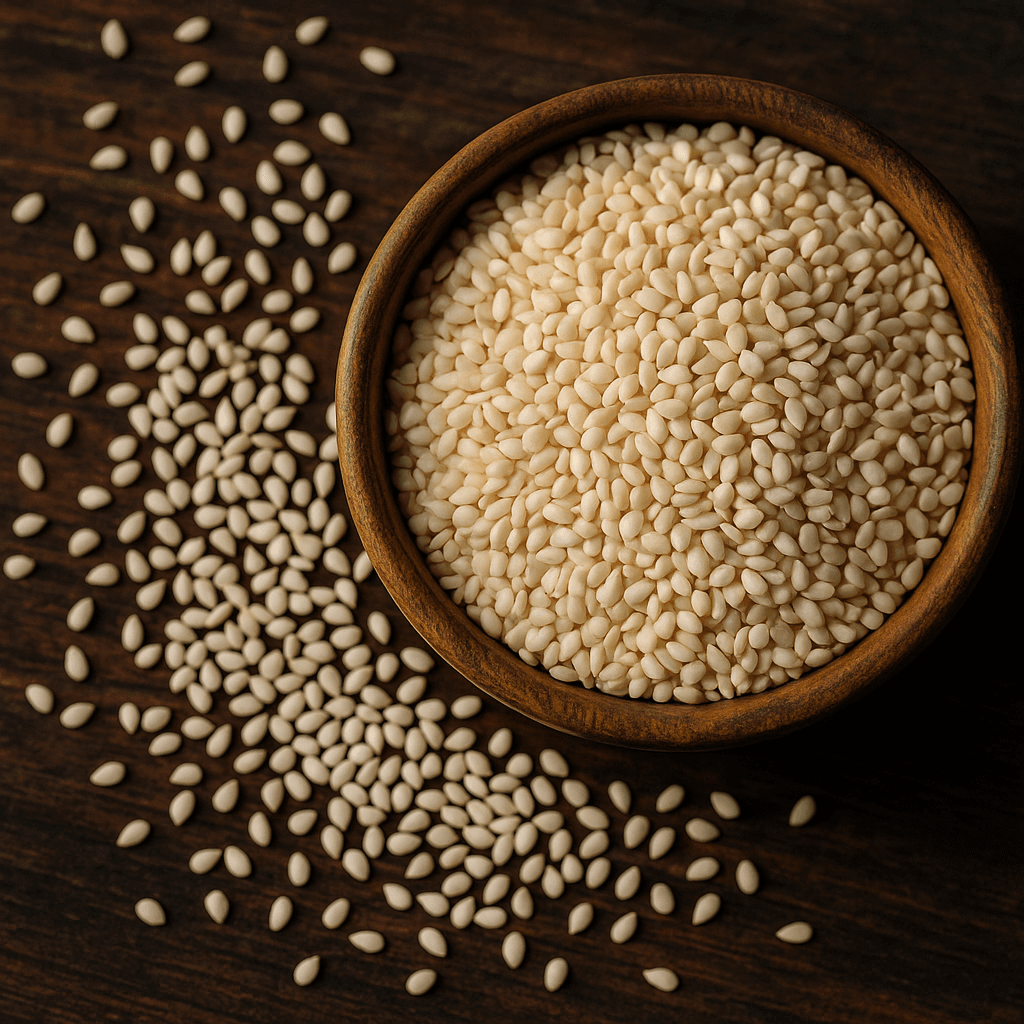
Explore why sesame seeds are becoming increasingly popular worldwide, their nutritional benefits, and diverse applications in food and wellness industries.
Sesame seeds, known as "til" in India, are experiencing unprecedented global demand. These tiny seeds pack a powerful nutritional punch and offer diverse applications, making them one of the most sought-after agricultural commodities worldwide.
The Global Sesame Boom
Global sesame seed consumption has grown by over 25% in the past decade, driven by:
- Growing health consciousness among consumers
- Plant-based protein trend
- Clean label and natural food movements
- Asian cuisine popularity in Western markets
- Vegan and vegetarian diet adoption
Nutritional Powerhouse
Sesame seeds are nutritionally dense, offering remarkable health benefits:
Macronutrients (per 100g):
- Protein: 18-20g (high-quality plant protein)
- Healthy Fats: 50-52g (mostly unsaturated)
- Fiber: 12-14g (supports digestive health)
- Carbohydrates: 23-25g (low glycemic)
Rich in Essential Minerals:
- Calcium: 975mg (excellent for bone health)
- Iron: 14.6mg (prevents anemia)
- Magnesium: 351mg (heart and muscle health)
- Zinc: 7.8mg (immune function)
- Copper: 4mg (antioxidant properties)
Vitamin Content:
- Vitamin B1, B2, B3, B6 (energy metabolism)
- Vitamin E (powerful antioxidant)
- Folate (cell growth and function)
Health Benefits Driving Demand
1. Heart Health
Sesame seeds contain:
- Sesamol and sesamin (antioxidants that lower cholesterol)
- Omega-6 fatty acids (reduce inflammation)
- Phytosterols (block cholesterol absorption)
- Magnesium (regulates blood pressure)
2. Bone Strength
With high calcium, zinc, and magnesium content, sesame seeds support:
- Bone density maintenance
- Prevention of osteoporosis
- Joint health
3. Blood Sugar Control
Low glycemic index and high fiber help:
- Regulate blood sugar levels
- Improve insulin sensitivity
- Beneficial for diabetes management
4. Antioxidant Protection
Lignans in sesame seeds:
- Fight free radicals
- Reduce oxidative stress
- May lower cancer risk
- Slow aging process
5. Hormone Balance
Phytoestrogens in sesame seeds may:
- Help balance hormones
- Reduce menopausal symptoms
- Support reproductive health
Versatile Applications
Food Industry:
- Bakery: Burger buns, bread, bagels, crackers
- Confectionery: Brittle, bars, sweets, halva
- Snacks: Roasted seeds, trail mixes, granola
- Tahini: Paste for hummus, sauces, dressings
- Cooking: Stir-fries, salad toppings, garnishes
Oil Production:
- Premium cooking oil (high smoke point 410°F)
- Cold-pressed oil for health food market
- Industrial applications
Health & Wellness:
- Dietary supplements
- Protein powders
- Functional food ingredients
Cosmetics & Personal Care:
- Hair care products
- Skin moisturizers
- Anti-aging creams
- Massage oils
Market Trends
White Sesame Seeds:
- Most popular variety (99.95-99.97% purity)
- Mild, nutty flavor
- Preferred for bakery and tahini
- Main export destinations: Japan, China, Middle East, Europe
Black Sesame Seeds:
- Growing premium market segment
- Higher antioxidant content
- Popular in Asian cuisine and health foods
- Premium pricing (20-30% higher than white)
India's Position in Global Market
India is a major sesame producer with advantages:
- Quality: High oil content (48-52%)
- Purity: Advanced cleaning and sorting
- Availability: Multiple harvest seasons
- Varieties: White, black, brown, mixed
- Competitive Pricing: Cost-effective sourcing
Future Outlook
The sesame seed market is projected to grow at 7-9% CAGR through 2030, driven by:
- Expanding health food sector
- Plant-based protein demand
- Middle Eastern cuisine globalization
- Natural cosmetics growth
- Organic and clean label trends
Quality Considerations
When sourcing sesame seeds, ensure:
- Purity: 99.90% minimum
- Moisture: Below 6% for long shelf life
- Oil Content: 48-52% for premium quality
- Cleanliness: Free from foreign matter
- Testing: Aflatoxin, pesticide residue certificates
Conclusion
The rising demand for sesame seeds reflects a global shift toward healthier, natural food choices. Their impressive nutritional profile, combined with versatile applications across industries, positions sesame seeds as a valuable commodity for importers and processors worldwide.
Whether for food production, health supplements, or cosmetics, sesame seeds from India offer quality, reliability, and competitive pricing—making them an excellent addition to any product line.
Found this helpful?
Share it with others who might benefit
Interested in Our Products?
Contact us to discuss your requirements and get a competitive quote for premium agricultural products from India. We're here to help you find the perfect products for your needs.
Continue Reading
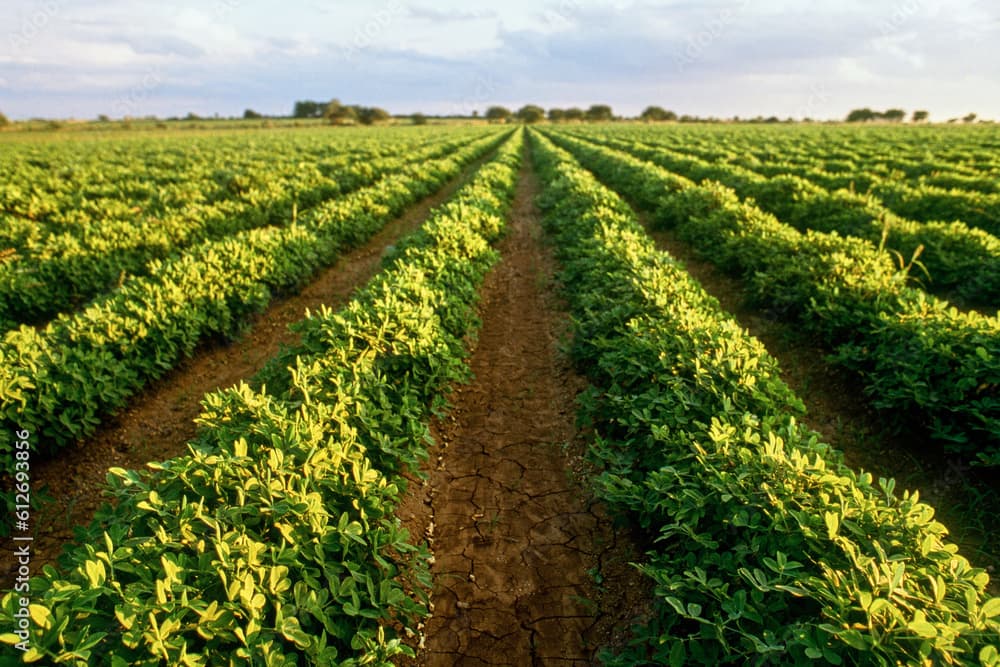
Why Indian Peanuts Are in High Demand Globally
Discover the factors that make Indian peanuts a preferred choice for importers worldwide, from quality to competitive pricing and diverse varieties available.
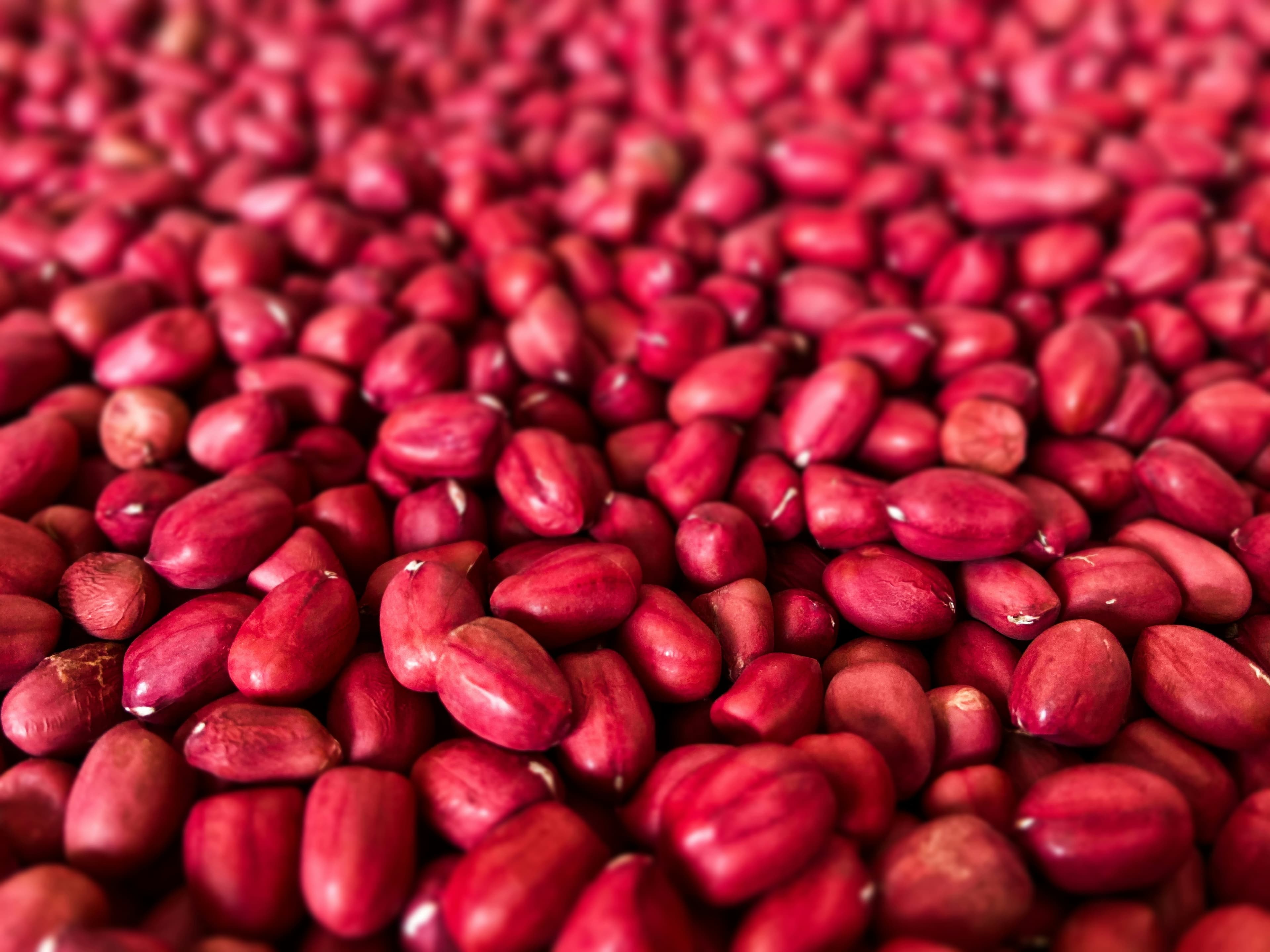
Quality Parameters to Check When Importing Peanuts
A comprehensive guide to understanding the critical quality parameters including moisture content, aflatoxin levels, and grading standards for peanut imports.