
Understanding Shipping Terms: FOB, CFR, and CIF Explained
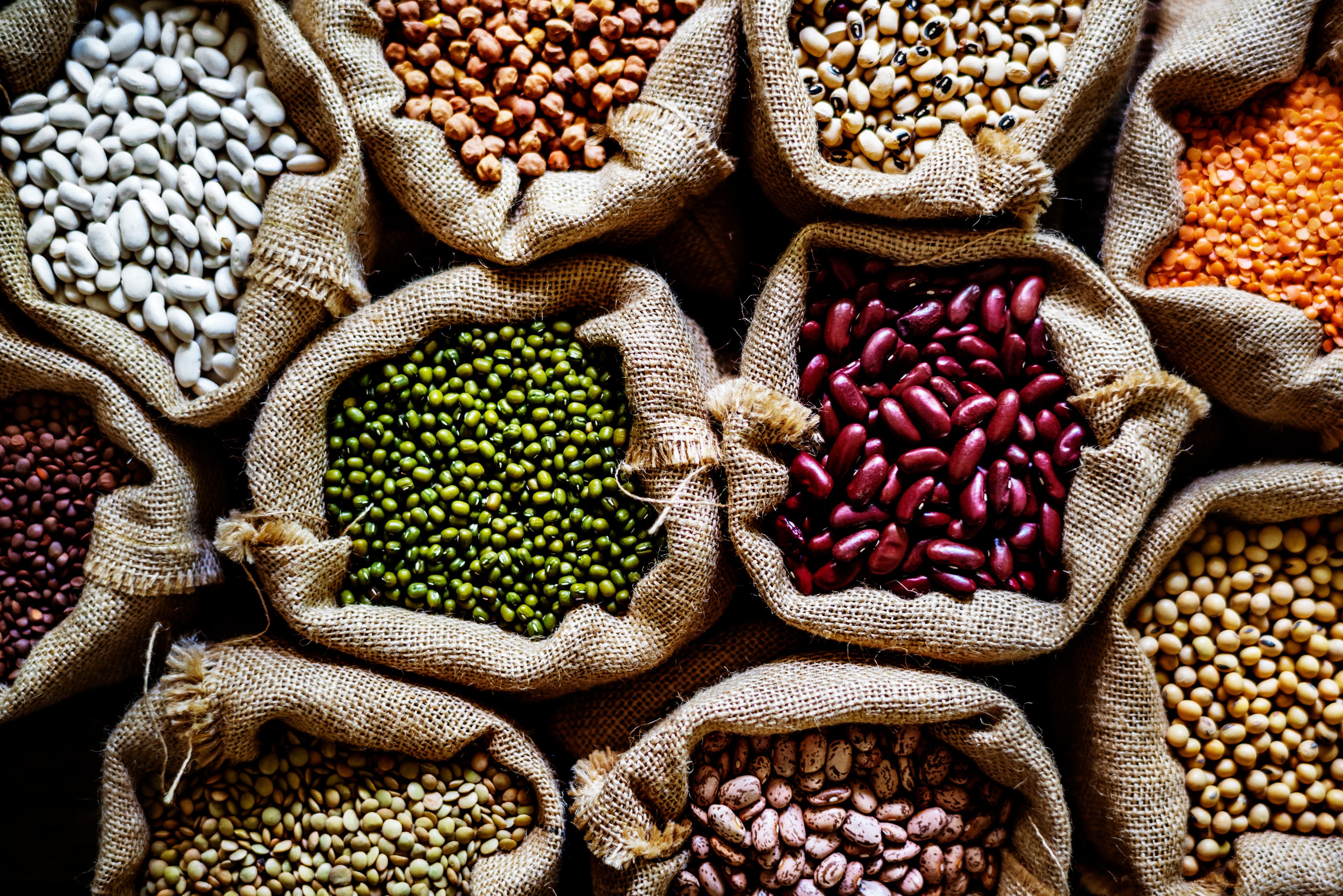
A simple guide to common Incoterms used in agricultural exports, helping importers understand their responsibilities and costs in international trade.
Understanding Incoterms (International Commercial Terms) is crucial for successful agricultural imports. These standardized terms define responsibilities, costs, and risks between buyers and sellers in international trade. Let's demystify the most common terms used in agricultural exports.
What Are Incoterms?
Incoterms are standardized trade terms published by the International Chamber of Commerce (ICC). They:
- Define who pays for shipping and insurance
- Determine when risk transfers from seller to buyer
- Clarify responsibilities for customs clearance
- Prevent misunderstandings in international transactions
Current Version: Incoterms® 2020 (latest revision)
FOB (Free On Board)
Definition:
The seller delivers goods on board the vessel at the named port of shipment. Risk and costs transfer to the buyer once goods are loaded on the ship.
Seller's Responsibilities:
- Product preparation and quality control
- Export packing and marking
- Transportation to port
- Export customs clearance
- Loading costs onto vessel
- Export documentation
Buyer's Responsibilities:
- Ocean freight charges
- Marine insurance (if desired)
- Unloading at destination port
- Import customs clearance
- Import duties and taxes
- Transportation from port to warehouse
Cost Example (20ft Container of Peanuts):
- Product Cost: $15,000
- Inland Transport: $200
- Export Clearance: $150
- Port Handling: $100
- Loading Charges: $50
- FOB Price: $15,500
Buyer arranges: Ocean freight ($800-1,500), Insurance ($100-200), Import clearance ($300-500)
Best For:
- Buyers with own freight forwarders
- Experienced importers wanting control
- When buyer has better shipping rates
- Multiple shipments requiring consistency
CFR (Cost and Freight)
Definition:
The seller pays for transportation to the destination port. Risk transfers when goods are loaded on the vessel at origin, but seller covers freight costs.
Seller's Responsibilities:
- All FOB responsibilities
- Ocean freight to destination port
- Freight booking and documentation
Buyer's Responsibilities:
- Marine insurance (highly recommended)
- Unloading at destination
- Import customs clearance
- Import duties and taxes
- Inland transportation
Cost Example (Same Container):
- FOB Cost: $15,500
- Ocean Freight: $1,200
- CFR Price: $16,700
Buyer arranges: Insurance ($100-200), Import clearance ($300-500), Inland transport
Best For:
- Buyers wanting simplified pricing
- New importers unfamiliar with freight booking
- When seller has better freight rates
- Less frequent shipments
Important Note:
Insurance is NOT included. Risk transfers at origin port, so buyer should arrange marine insurance to protect against loss or damage during transit.
CIF (Cost, Insurance, and Freight)
Definition:
Most comprehensive term for buyers. Seller pays for product, insurance, and freight to destination port. Risk still transfers at origin, but seller provides insurance.
Seller's Responsibilities:
- All CFR responsibilities
- Marine insurance (minimum coverage - Institute Cargo Clauses C)
- Insurance certificate provision
Buyer's Responsibilities:
- Unloading at destination port
- Import customs clearance
- Import duties and taxes
- Inland transportation
- Additional insurance (if higher coverage needed)
Cost Example (Same Container):
- CFR Cost: $16,700
- Marine Insurance: $150
- CIF Price: $16,850
Buyer arranges: Import clearance ($300-500), Inland transport
Insurance Coverage:
Standard CIF insurance covers:
- Loss or damage during sea transit
- Usually 110% of invoice value
- Minimum coverage (ICC Clause C)
- Buyers can request comprehensive coverage (ICC Clause A) for additional cost
Best For:
- First-time importers
- Buyers wanting all-inclusive pricing
- Small value shipments
- When simplicity is priority
- Letters of credit transactions
Quick Comparison Table
| Responsibility | FOB | CFR | CIF |
|---|---|---|---|
| Export Clearance | Seller | Seller | Seller |
| Ocean Freight | Buyer | Seller | Seller |
| Marine Insurance | Buyer | Buyer | Seller |
| Import Clearance | Buyer | Buyer | Buyer |
| Risk Transfer | At Loading | At Loading | At Loading |
Other Common Terms
EXW (Ex Works):
Buyer arranges and pays for everything from seller's premises. Lowest cost but highest responsibility for buyer.
FCA (Free Carrier):
Seller delivers to carrier at named place. More flexible than FOB, suitable for all transport modes.
DAP (Delivered at Place):
Seller delivers to named destination, ready for unloading. Import duties paid by buyer.
DDP (Delivered Duty Paid):
Maximum seller obligation. Seller delivers with all duties paid and import clearance done.
Choosing the Right Term
Consider These Factors:
- Experience Level: New importers benefit from CIF; experienced prefer FOB
- Freight Rates: Compare seller's rates vs your forwarder
- Control: FOB gives more control over shipping and timing
- Simplicity: CIF offers convenience and predictability
- Volume: Regular shipments favor FOB; occasional shipments suit CIF
- Payment Method: Letter of credit often requires CIF
Practical Tips
1. Clearly Specify in Contracts:
Always state: "CIF Dubai, Incoterms® 2020" or "FOB Mumbai, Incoterms® 2020"
2. Understand Hidden Costs:
FOB might seem cheaper but remember to add:
- Freight forwarder fees
- Insurance premiums
- Documentation charges
- Your time and effort
3. Insurance Adequacy:
Standard CIF insurance may not cover all risks. Consider:
- Comprehensive coverage for high-value goods
- War and strikes coverage
- Warehouse-to-warehouse coverage
4. Port Charges Vary:
Destination port charges can be significant. Research:
- Terminal handling charges
- Documentation fees
- Storage charges if delays occur
Common Mistakes to Avoid
- Assuming Insurance: CFR does NOT include insurance
- Ignoring Risk Transfer: With CFR/CIF, you bear risk from loading, even though freight is paid
- Not Comparing Total Costs: FOB + your costs might exceed CIF
- Vague Terms: Always specify Incoterms® 2020 version
- Overlooking Import Duties: Calculate total landed cost including duties
Conclusion
Understanding Incoterms protects your interests and prevents costly surprises. For agricultural imports:
- New Importers: Start with CIF for simplicity
- Experienced Buyers: FOB often offers better value and control
- Always: Get detailed cost breakdowns and compare total landed costs
Work with reputable exporters who clearly explain terms and provide transparent pricing. A good supplier will help you choose the most cost-effective option for your situation.
Found this helpful?
Share it with others who might benefit
Interested in Our Products?
Contact us to discuss your requirements and get a competitive quote for premium agricultural products from India. We're here to help you find the perfect products for your needs.
Continue Reading

Why Indian Peanuts Are in High Demand Globally
Discover the factors that make Indian peanuts a preferred choice for importers worldwide, from quality to competitive pricing and diverse varieties available.

Quality Parameters to Check When Importing Peanuts
A comprehensive guide to understanding the critical quality parameters including moisture content, aflatoxin levels, and grading standards for peanut imports.